By Packwise · Updated November 10, 2026
Producer responsibility for packaging means that companies placing packaging on the Danish market pay for its collection, sorting, and recycling. The scheme has been in effect since October 1, 2025. The cost depends on the volume and the design of the packaging, which is categorized as green, yellow, or red. Red is the most expensive.
Extended producer responsibility for packaging is a Danish scheme that shifts the bill for packaging waste from municipalities to the companies that place the packaging on the market. The idea is simple: whoever puts the packaging on the market pays for what happens to it afterwards.
The rules are set out in the Packaging Order (Executive Order no. 1146 of September 29, 2025), and the scheme entered into force on October 1, 2025. The government has set a cap on the total amount producers must pay at a maximum of 1.2 billion DKK (Ministry of the Environment, 2025). How much your company pays depends on both the volume and the design of your packaging.
You are typically covered if your company makes packaging or packaged products available on the Danish market for the first time. This applies to, among others:
As a producer, you must register with Danish Producer Responsibility (DPA), be a member of a collective scheme (a producer responsibility organization), and report annually how much packaging you have placed on the market, broken down by material (Beierholm, 2025). The producer responsibility organization collects the fee and ensures that the packaging is handled.
If you are in doubt about whether your company is covered, ask the DPA or your producer responsibility organization.
The fee is calculated based on how many tons of packaging you place on the market for each material, and the cost of managing that waste. Furthermore, the fee is eco-modulated. This means that packaging is placed into one of three levels based on how easy it is to recycle (Danish Environmental Protection Agency, 2025):
The extra money from red goes toward lowering the fee for green packaging within the same material category. It is, therefore, a system where poor design pays for good design.
Plastic and beverage cartons have all three levels. Glass, paper, cardboard, steel, and aluminum only have green and red. The most important thing to know: If just one criterion is red, the entire packaging is red. And if you cannot document a criterion, it also counts as red.
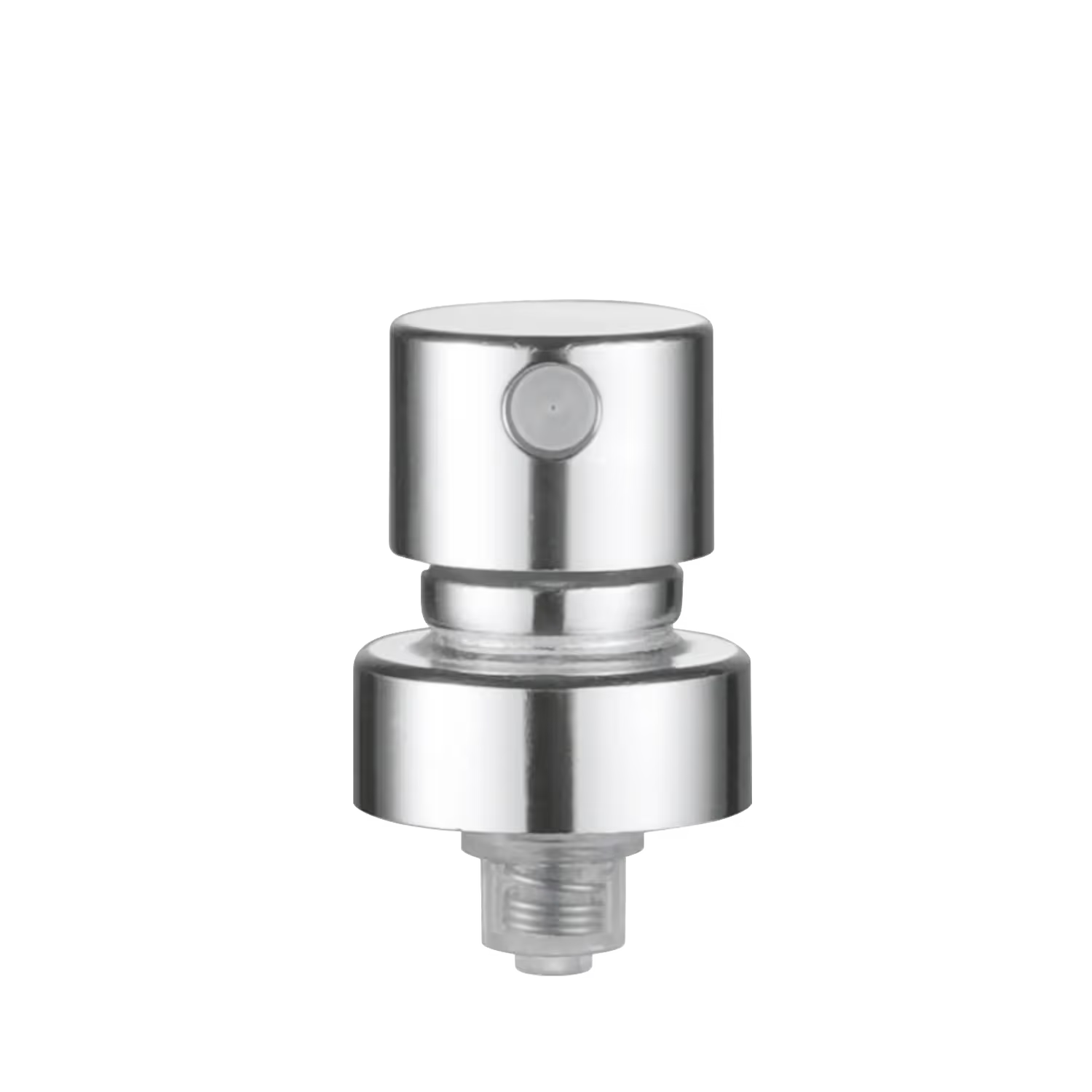
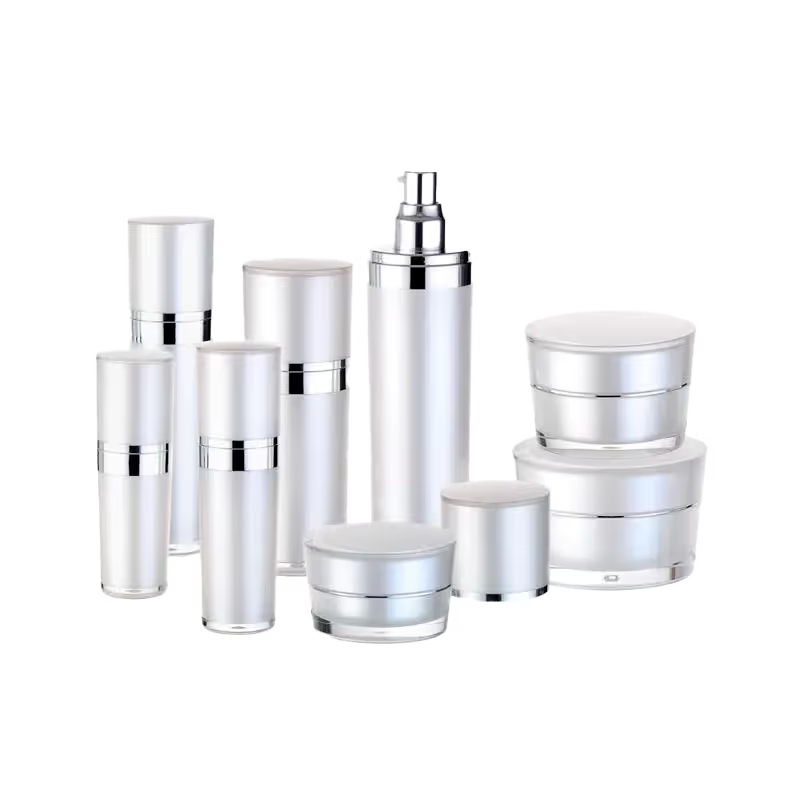
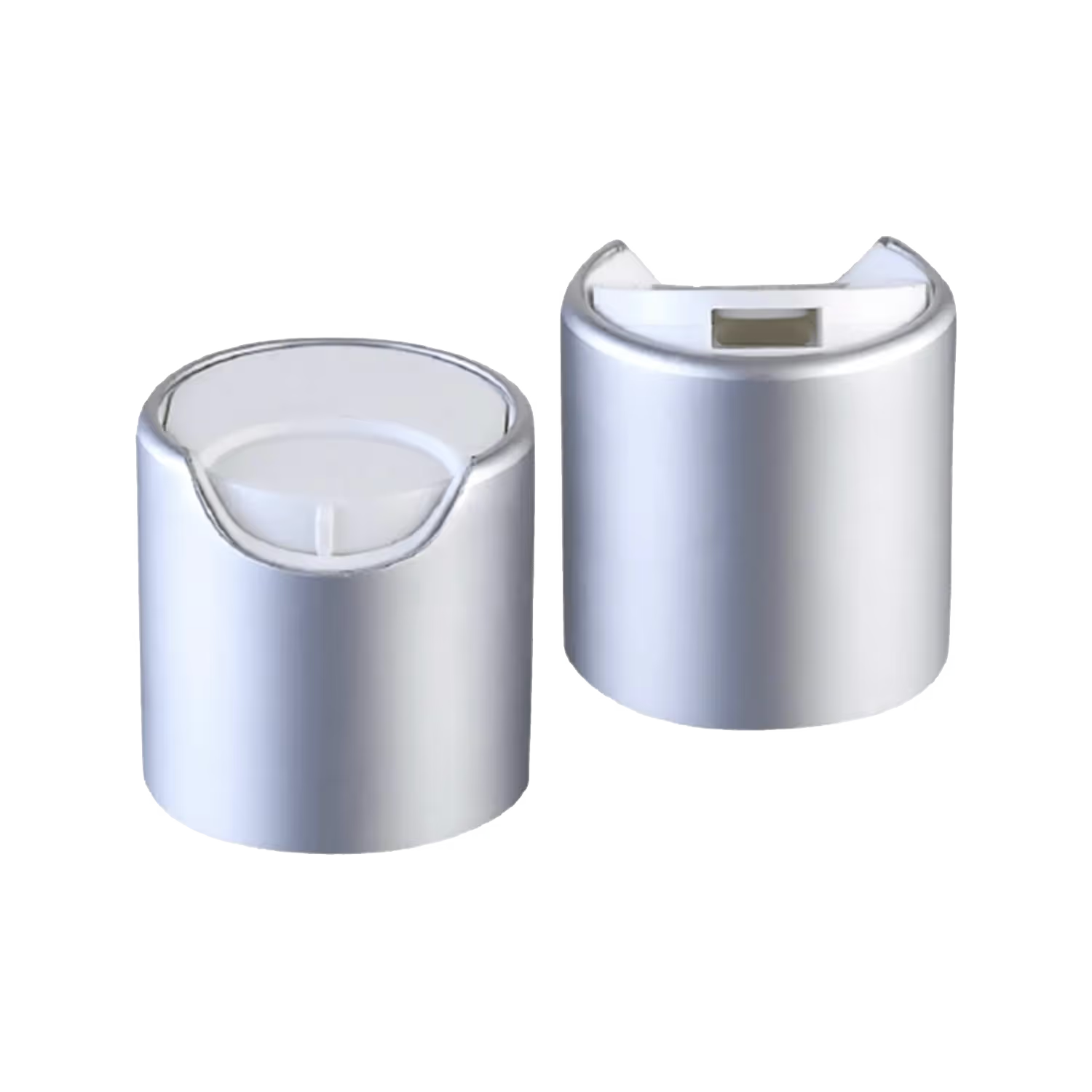
Each material has its own design criteria. Here are the most important ones for the materials used most frequently in cosmetic and pharmaceutical packaging.
Two things are particularly important for cosmetics, dietary supplements, and medicine:
Extended Producer Responsibility and the EU Packaging Regulation PPWR are often confused, but they each have their own specific role:
They pull in the same direction. Packaging made from a single material without difficult colors or barriers is typically green in the Danish fee structure and also stands strong when the PPWR's recycling requirements take effect. A good design choice today saves money both now and in the future.
Companies that make packaging or packaged products available on the Danish market for the first time. This typically applies to manufacturers, brands, importers, and webshops selling to Danish customers. They must register with the Danish Producer Responsibility (DPA), be a member of a producer responsibility organization, and report their packaging volumes every year.
The price depends on how many tonnes of packaging you place on the market for each material type, as well as the operating costs for waste management. The fee is eco-modulated: green packaging receives a discount, yellow pays its own costs, and red pays a 35 percent surcharge. You can get the specific price from your producer responsibility organization.
The levels indicate how easy the packaging is to sort and recycle. Green meets all requirements regarding material, color, components, and documentation. Red has at least one issue, such as black plastic, PVC, or metal parts, or it lacks documentation. Yellow falls in between and applies only to plastic and beverage cartons.
Yes, extended producer responsibility applies regardless of size, but there are exemptions. Producers who place less than 8 tonnes of packaging on the market per year do not have their fees eco-modulated unless they specifically request it. Ask your producer responsibility organization which rules apply to your specific business.
Do you want to know if your packaging is green, yellow, or red, and what it takes to move it up a level? Book a non-binding meeting with our packaging specialists.
About the author:Packwise are packaging specialists with extensive experience in cosmetic and pharmaceutical packaging. We advise brands on choosing packaging solutions from the concept phase through to production.

You are always welcome to contact us. Whether it is sparring, a concrete inquiry or ideas for cooperation and development, we are happy to engage in dialogue and look at the possibilities together.