By Packwise · Updated November 5, 2026
Pill bottles, dropper bottles, and apothecary jars are the most common containers for tablets, capsules, and drops. They protect the contents from moisture, light, and air, and make it easy to dose correctly. The right choice depends on whether the product is solid or liquid, how sensitive it is, and who needs to open it.
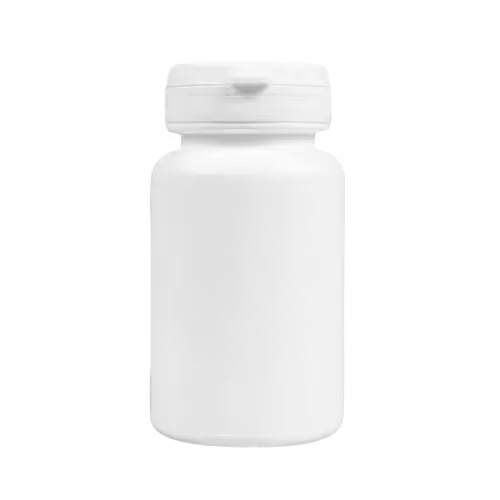
A pill bottle is a small, airtight container for tablets and capsules. Despite the name, most are made of plastic like HDPE or PET today, but they are also available in glass. Pill bottles are used for over-the-counter medicine, herbal remedies, and supplements, and many are available with child-resistant or tamper-evident lids.
The market for supplements is large in Denmark. According to the DTU National Food Institute, two out of three Danes, 67 percent, have taken a supplement within the past year, up from 61 percent ten years earlier (Sjællandske/Ritzau, 2026). For brands, this means many products on the shelf, where the packaging must both protect and stand out.
The pill bottle is the standard choice for solid doses. It is lightweight, shatterproof when made of plastic, and a screw cap or flip-top lid keeps moisture out. For moisture-sensitive tablets, the lid can have a seal or space for a desiccant packet. Pill bottles take up little space and are suitable for everything from 30 to several hundred capsules.
AA dropper bottle has a rubber bulb and a glass tube, allowing the user to draw up an exact amount of liquid. It is used for oral drops, vitamin D, oils, and serums. The bottle is typically made of brown or blue glass, which blocks light.
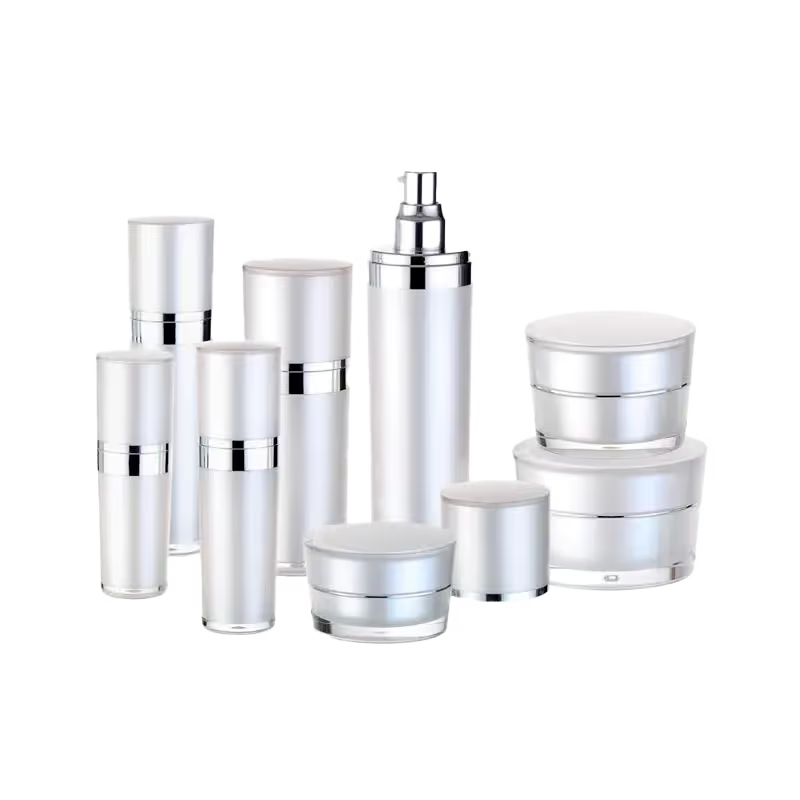
An apothecary jar is a wide jar with a screw lid, known from pharmacy shelves. It is used for ointments, creams, powders, and larger quantities of capsules. The wide opening makes it easy to remove the contents, and the classic shape provides a credible, pharmacy-like appearance.
A dropper vial has an insert in the neck that allows the liquid to come out one drop at a time when the bottle is turned upside down. It is suitable for eye and ear drops and thin liquids where a pipette is unnecessary. The advantage is a simple, tight closure with fewer parts.
Glass does not react with its contents and is the first choice for sensitive liquids. Amber glass protects against UV light, which can degrade active ingredients. HDPE is robust, lightweight, and provides a good moisture barrier, which is why it is widely used for pill bottles. PET is crystal clear and lightweight, allowing the customer to see the capsules. PP is often used for lids and jars because it withstands heat and many chemicals.
The lid is just as important as the container. A child-resistant lid requires two motions, such as push and turn, and a tamper-evident lid has a ring that breaks upon first opening. For dietary supplements, many brands choose these same features, even when not strictly required, because they provide peace of mind.
To see our entire range, find it under our pharma packaging. For liquid medication, we have compiled a guide in All about medicine bottles.
A pill bottle is a narrow, tall container for tablets and capsules, often with a tight-fitting or child-resistant cap. An apothecary jar is a wider jar with a screw cap, suitable for ointments, creams, and powders. Both are available in plastic and glass, and the choice depends on what is going inside.
A dropper bottle is used for liquids that require precise dosing, such as oral drops, vitamin D, oils, and serums. The dropper consists of a rubber bulb and a glass tube, allowing the user to measure an exact amount. The bottle is typically made of amber glass, which protects the contents from light.
It depends on the product. Certain medicines and hazardous chemicals must be packaged with child-resistant closures, while for dietary supplements, it is usually a voluntary choice. Many brands choose it anyway to provide peace of mind. Always check the regulations for your specific product type before ordering.
The name comes from the time when the containers were made of glass, but today most pill bottles are made of plastic such as HDPE or PET. Plastic is lightweight and shatterproof, while glass is used where the contents are particularly sensitive or where the brand wants an exclusive look.
Book a non-binding meeting with our packaging specialists.
About the author:Packwise are packaging specialists with extensive experience in cosmetic and pharmaceutical packaging. We advise brands on choosing packaging solutions from the concept phase through to production.
You are always welcome to contact us. Whether it is sparring, a concrete inquiry or ideas for cooperation and development, we are happy to engage in dialogue and look at the possibilities together.