By Packwise · Last updated November 19, 2026
Recyclable packaging is packaging that can be collected, sorted, and converted into new raw material using existing systems. In Denmark, recyclability already determines whether packaging falls into the green, yellow, or red category under extended producer responsibility. From 2030, the EU Packaging Regulation will require all packaging to reach at least recycling class C.
Packaging is recyclable when it can make it all the way through the system: collection, sorting, and reprocessing into high-quality new material. It is not enough for the material to be theoretically recyclable; it must also be recognizable by sorting facilities and separable from the rest of the packaging.
Therefore, recyclability depends on four factors:
Recyclable is not the same as recycled. Recycled plastic is material that has already been used once. Read more about the difference in Reuse and recycling: understand the difference, and see which plastic types can be recycled in Which plastics can be recycled?.
Under the Danish extended producer responsibility scheme, each packaging component is assigned a level based on how well it can be recycled. Plastic can be green, yellow, or red, while glass, paper, cardboard, and metal can only be green or red.
The level affects the price. According to The Danish Environmental Protection Agency's guidance on eco-modulated fees red packaging pays 35% extra on top of operating costs, and the money is used to lower the price for green packaging in the same material category. If you cannot document a criterion, the packaging automatically ends up in the red category. We review the cost of the fees in DKK in Producer responsibility for packaging in 2026.
For rigid plastic in PP or PE, the criteria are broadly as follows:
Clear PET has its own criteria, and for glass, for example, labels must cover no more than 50% of the surface and sleeves no more than 75% for the bottle to be considered green.
Special considerations for cosmetics and pharma: Sales packaging for cosmetics, pharmaceuticals, and dietary supplements is considered contact-sensitive packaging. By default, it is exempt from eco-modulation, so you pay the fee without any traffic light surcharges or discounts. However, you can ask your collective scheme to be modulated, which may be worthwhile if the packaging is green. Cleaning products are not contact-sensitive and are always modulated, unless the company places less than 8 tonnes of packaging on the market per year.
From 2030, packaging may only be sold in the EU if it reaches at least recycling class C. The class is calculated based on what proportion of the packaging's weight can be recycled, and the requirement also applies to cosmetics, where there are no exceptions.
The requirements are introduced in stages:
The Danish traffic light system is a preview of the same principle, and producer fees across the EU will in the future be modulated based on recyclability. The exception is packaging in direct contact with pharmaceuticals and medical devices, which is exempt from the recycling classes. Read more in our guide to PPWR.
Design for recycling means that recyclability is considered from the start, not added at the end. A few simple steps can move your packaging up in both the traffic light system and the PPWR classes.
Monomaterial packaging is made from a single type of material, such as a PP jar with a PP lid and a PP label. It can be sorted and recycled as one complete unit without needing to be taken apart. This is the most direct path to the green level and class A.
When multiple materials are necessary, such as a glass bottle with a plastic lid, the parts must be separable. Use click-and-screw solutions rather than glue and welds, and choose labels that can be removed without leaving residue. The Environmental Protection Agency only considers a part separable if it is detached from the main component in at least 70% of cases during testing.
Avoid black plastic colored with carbon black, full-coverage sleeves, and metallized surfaces. Instead, choose clear or light colors, labels made of the same material as the packaging, or direct printing.
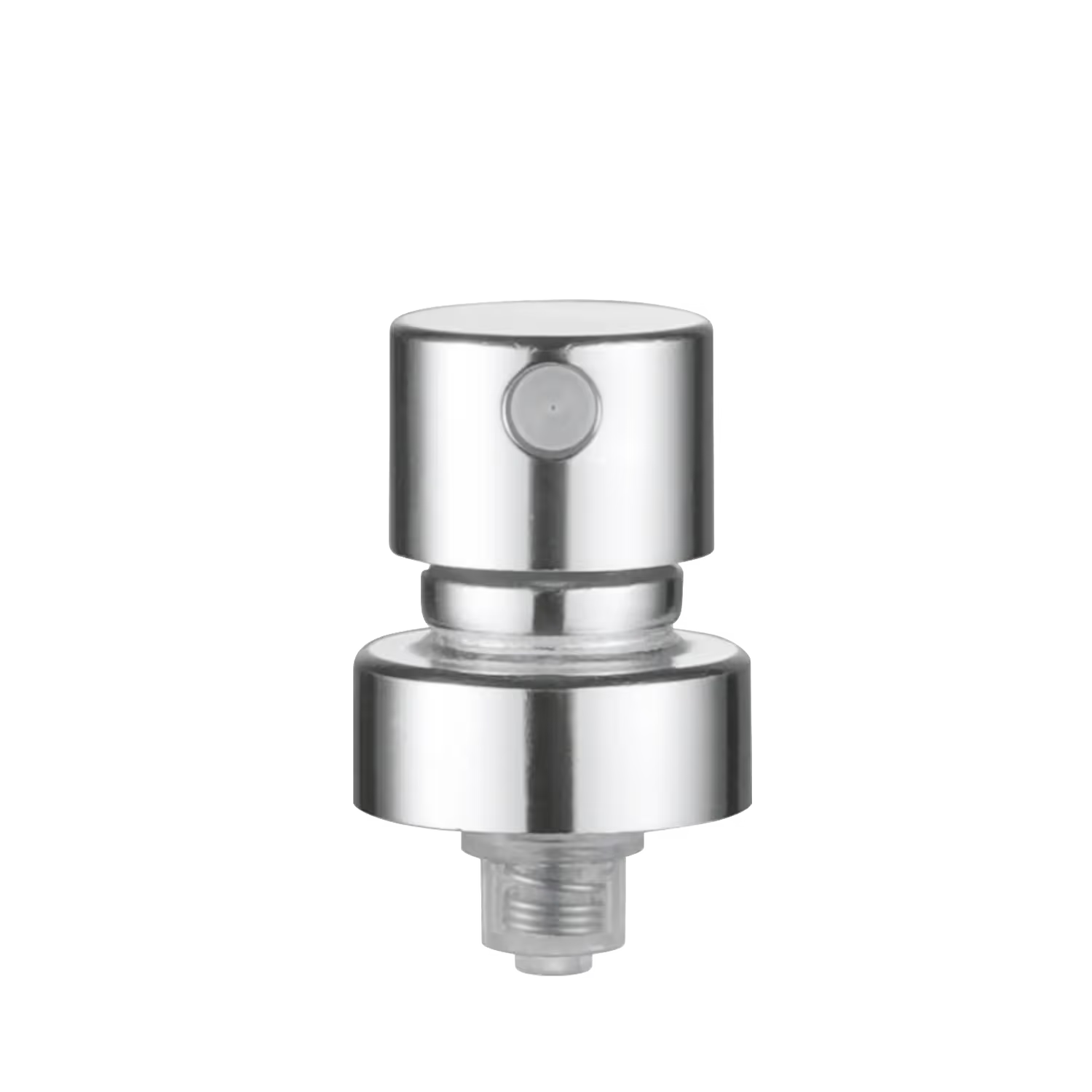
Pumps are typically the hardest part to make recyclable because they consist of many small components. Here is how a classic lotion bottle can be redesigned:
To see how the two types of pumps differ in use, read Airless vs. pump bottle.
Mono-material packaging is packaging where all components are made from the same material type, e.g., a PP bottle with a PP pump and a PP label. Because there is only one material, the packaging can be sorted and recycled as a whole. This makes mono-material the most direct path to the green level in extended producer responsibility and class A in the PPWR.
Yes. From 2030, cosmetic packaging must reach at least class C to be sold in the EU, and from 2038, at least class B. Cosmetics have no exemptions. However, packaging in direct contact with pharmaceuticals and medical devices is exempt from the recycling classes, even if the bottle or jar resembles cosmetic packaging.
You must compare each component against the Danish Environmental Protection Agency's criteria for material, color, labels, barriers, and recycled content. If the packaging meets even one red criterion, it is classified as red. Ask your packaging supplier for documentation regarding materials and dyes, because if you cannot document a criterion, the packaging is automatically placed in the red level.
Recyclable packaging can be recycled after use. Recycled packaging is made from material that has already been used, e.g., rPET from old bottles. The two are related but are measured separately. The PPWR sets requirements for both from 2030, and for extended producer responsibility, the green level for plastic requires at least 20% recycled content.
We help you assess your current packaging and find mono-material solutions that stay in the green and meet PPWR requirements, without compromising on design and function. Book a non-binding meeting with our packaging specialists.
Packwise are packaging specialists with deep experience in cosmetic and pharma packaging. We advise brands on choosing packaging solutions from the concept phase to production.

You are always welcome to contact us. Whether it is sparring, a concrete inquiry or ideas for cooperation and development, we are happy to engage in dialogue and look at the possibilities together.