By Packwise · Last updated September 30, 2026
PET plastic (polyethylene terephthalate) is a clear, lightweight, and strong type of plastic primarily used for bottles and containers. PET has the recycling code 1, is approved for food contact, and can be recycled again and again. This makes it one of the most widely used materials for packaging in the beverage, cosmetics, and personal care industries.
PET is a thermoplastic in the polyester family. It is made from monoethylene glycol and terephthalic acid, which are linked together into long molecular chains. The result is a material that can be shaped when heated and retains its form once cooled.
Most PET bottles are made by injection molding a small piece (a preform), which is then blown into the final bottle shape. This results in a thin-walled, yet very rigid and impact-resistant product.
If you want to dive deeper into the choice between the two clear materials, we have written a guide on PET bottles vs. glass packaging.
Denmark is one of the best countries in the world at collecting PET. According to Dansk Retursystem's 2025 annual report 92% of deposit-bearing plastic bottles were returned, and 95% of the collected bottles were recycled into new beverage packaging.
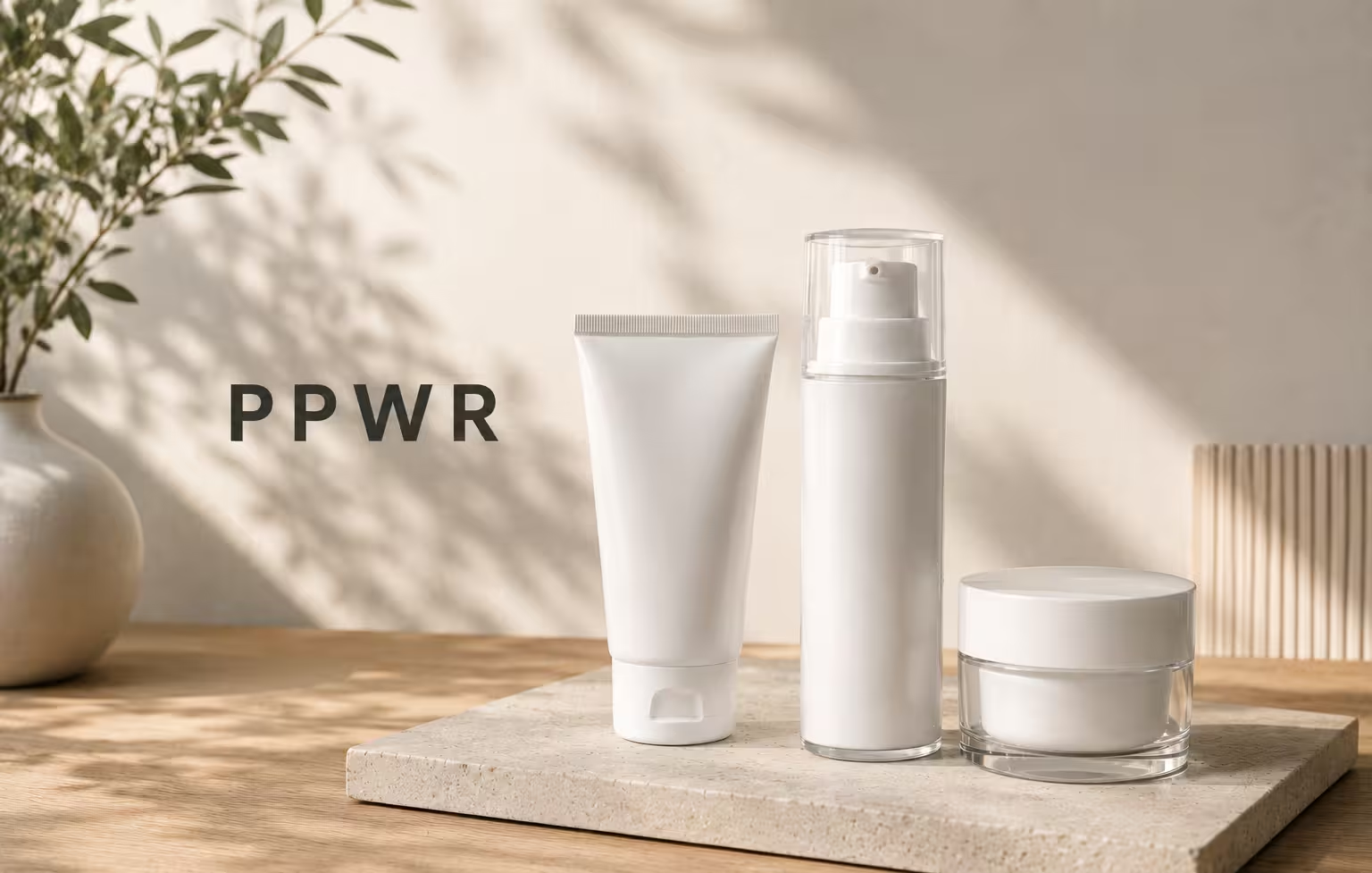
This shows that PET functions in a closed loop when the system is in place. For cosmetics and pharma, this is a good reason to choose clear, uncolored PET and monomaterials, which are easier to sort. Requirements are also being tightened with the EU's new packaging regulation. Read more in our article about PPWR 2030.
No. PET is one of the most thoroughly studied packaging materials and is approved for food contact in the EU. It does not contain BPA or phthalates. As with all packaging, however, you must ensure that the material is tested with your specific formulation to avoid unwanted migration and shelf-life issues.
PET is made from new, fossil-based raw material, while rPET is PET that has been recycled from used packaging. rPET has almost the same properties, but may have a slight gray or bluish tint. On the other hand, it lowers the climate footprint and helps you meet upcoming requirements for recycled content.
Only to a limited extent. Standard PET begins to soften around 70 °C, so it is not suitable for hot filling, autoclaving, or dishwashers. If your packaging needs to withstand high temperatures, PP or glass is usually a better choice. There are special heat-resistant PET grades, but they are more expensive.
We help you choose the right bottle, closure, and material quality so that the packaging fits your formulation, brand, and budget. Book a non-binding meeting with our packaging specialists.
Packwise are packaging specialists with deep experience in cosmetics and pharma packaging. We advise brands on the choice of packaging solutions from the concept phase to production.
You are always welcome to contact us. Whether it is sparring, a concrete inquiry or ideas for cooperation and development, we are happy to engage in dialogue and look at the possibilities together.





.avif)
.avif)
.avif)