10. May 2025
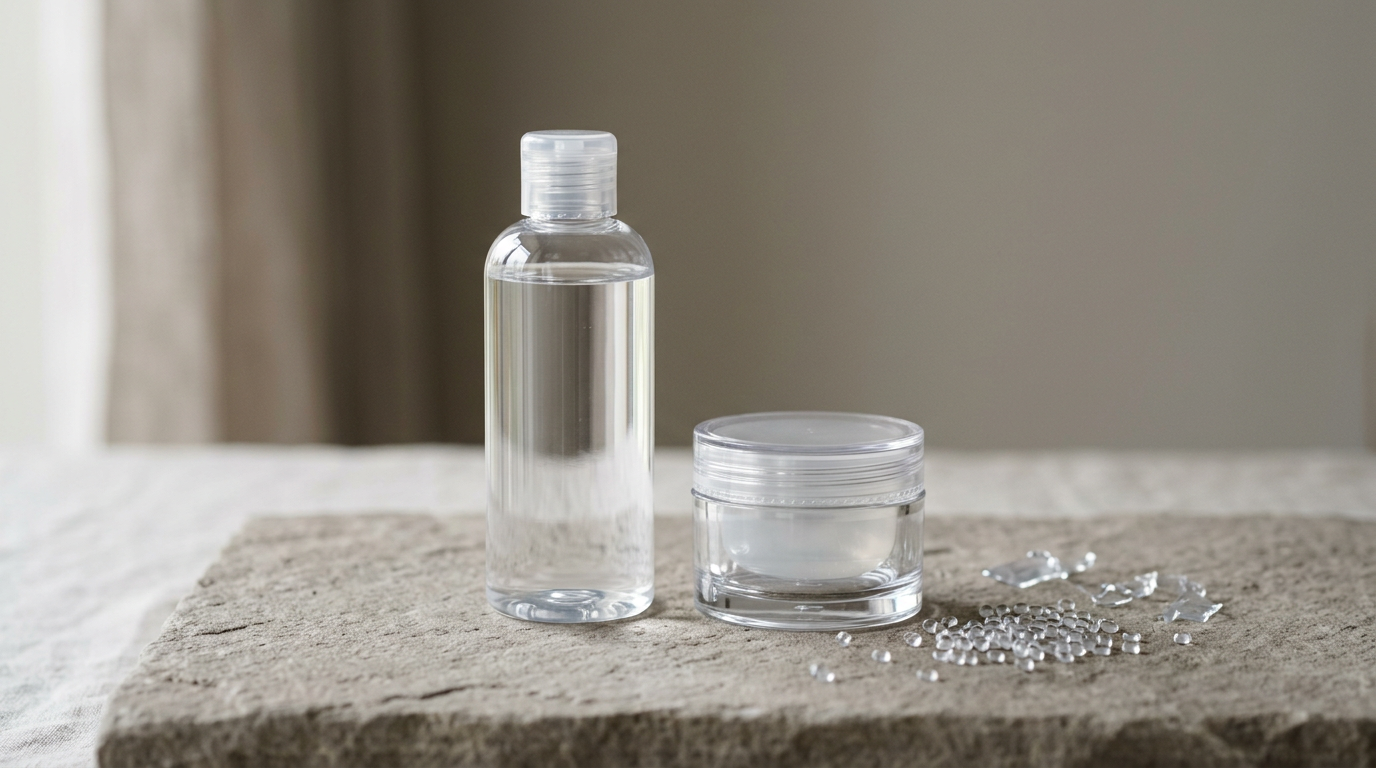
Bioplastics are being mentioned more and more when we talk about sustainable packaging. And this is no coincidence. Especially in an industry like cosmetics, where products need to be both effective and responsible, more people are looking for alternatives to regular plastics. But although the name sounds green, it's not always so straightforward. Many ask the question: Is bioplastics better than traditional plastics? And the answer isn't necessarily a simple yes or no.
Much of the confusion stems from the fact that bioplastics cover up several different types of materials. Some are made from biological raw materials such as corn, sugar cane or potatoes. Others are designed to be able to degrade under specific conditions -- but not everyone can. And even fewer can do it in nature. Therefore, it is important to understand what type of bioplastics you are dealing with and how it behaves — both in use and as waste.

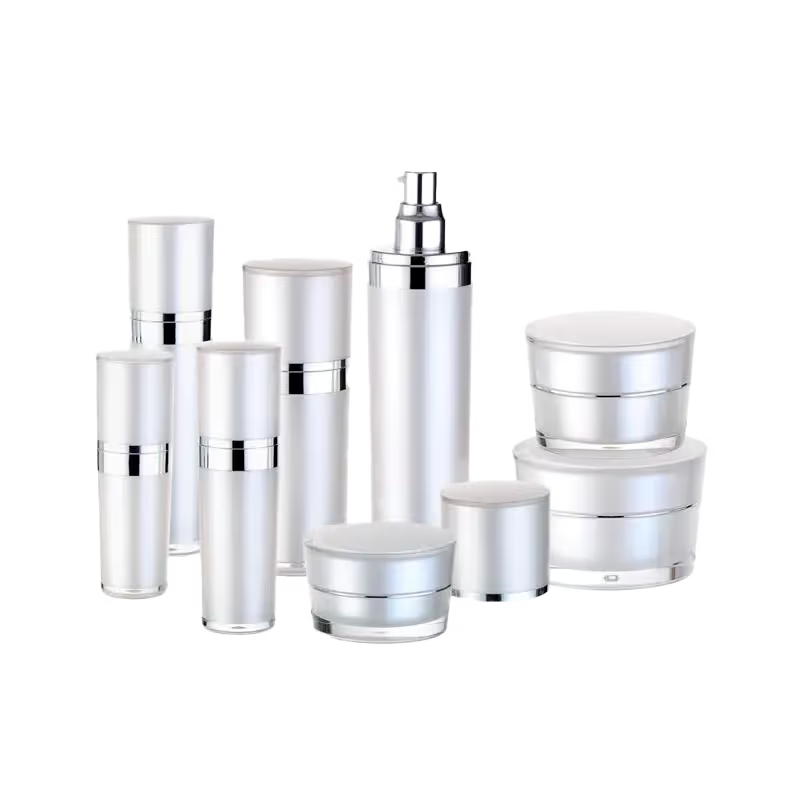
Yes, and it's becoming increasingly widespread. Many small and medium-sized brands today choose packaging in bioplastics precisely because it offers the opportunity to combine aesthetics with a sustainable signal. But it requires thinking it all through. Because although the packaging looks like ordinary plastic, it cannot always be sorted in the same way. And if customers don't know how to dispose of it, it can do more harm than good. Therefore, it is important to communicate clearly — both on the product and in marketing.
Depends on how you measure. Bioplastics can have a lower CO₂ footprint in production and be based on renewable resources. But if it is not sorted correctly or ends up in combustion, it loses much of its environmental benefit. In some cases, recycled plastics -- such as rPET -- may actually be a more efficient choice because they are part of existing waste systems. So it's not just about what sounds green, but what works in practice — all the way from producer to consumer and back to the system.
There is no packaging solution that solves all problems. But there are choices that are more thoughtful than others. Bioplastics can be a step towards a more responsible product line — especially when combined with refill solutions or materials with high recycling rates. The most important thing is that the choice is deliberate and that it is adapted to both the product and the user. That being the case, bioplastics can easily play a positive role in the cosmetics industry.
Do you have any questions for us? Please do not hesitate to contact us immediately. Contact us here
We have a lot of different products and packaging.
Explore our product catalogue. Go to product catalog
You are always welcome to contact us. Whether it is sparring, a concrete inquiry or ideas for cooperation and development, we are happy to engage in dialogue and look at the possibilities together.





.avif)
.avif)
.avif)