23. January 2024
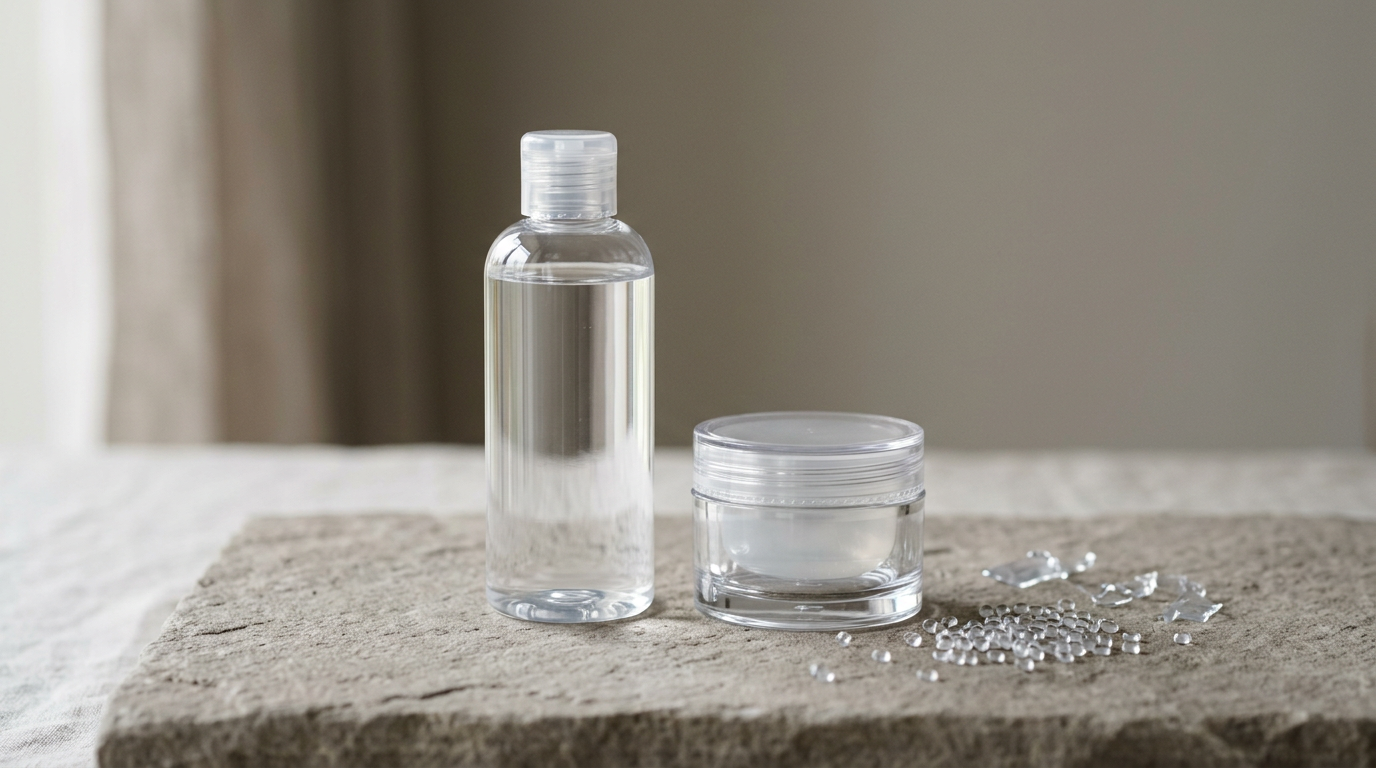
Plastic pollution is a global challenge that requires new thinking and innovative solutions. Bioplastics addresses environmental problems associated with traditional plastics.
This blog post will explore what bioplastics is, how it is produced, what materials it is made of, and how long it takes to break down.
Bioplastics are a type of plastic that differs from conventional plastics by being based on renewable resources such as plants and microorganisms.
This makes bioplastics more sustainable and degradable compared to petroleum-based plastics.
The increased attention on bioplastics is due to its potential to reduce the negative environmental impact of traditional plastics.
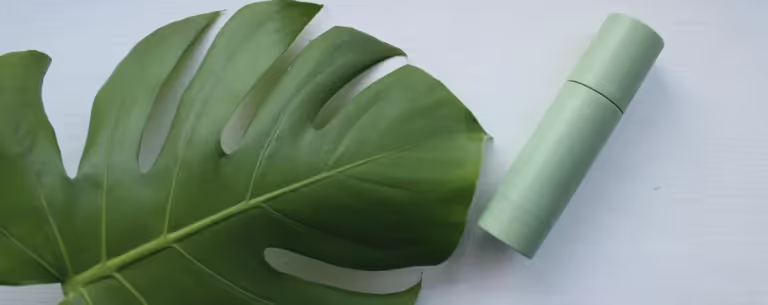
The production of bioplastics involves the use of bio-based raw materials that can include starches, sugars, vegetable oils and microorganisms such as bacteria or yeast. The most common method of making bioplastics is fermentation, in which microorganisms convert sugars into polymers. This process can be more environmentally friendly and sustainable compared to extracting oil for conventional plastics.
Bioplastics can also be produced using thermoplastic polymers that can be shaped and processed in a similar way to traditional plastics. These polymers can be extracted from plants such as corn, sugar cane and potatoes and processed to form various types of bioplastics.
Bioplastics can be based on a variety of materials depending on the desired application. One of the most widely used sources of bioplastics is corn starch, which is converted into polymers and used to create biodegradable products. Sugarcane is a sustainable source for bioplastics production and can be used to make different types of bioplastics with varying properties. The starch from potatoes can be extracted and used to create bioplastic materials with good mechanical properties.
Microalgae can be an alternative source of bioplastics and also offer the advantage of not competing with food production. Oils from plants such as soy, corn or canola can be used as raw materials to produce bioplastics.
One of the great properties of bioplastics is its ability to decompose more efficiently than traditional plastic. However, the degradation process depends on several factors, including the type of bioplastic and the environmental conditions.
Bioplastics can be decomposed in industrial composting plants where temperature and humidity are controlled to optimize the decomposition process. Under these conditions, certain types of bioplastics can degrade in as little as a few weeks to a few months. However, it is important to mention that decomposition in home composting conditions or in nature can take longer, and some types of bioplastics require specific conditions to decompose completely.
At Packwise, we have many years of experience working with different types of plastic, so do not hesitate to contact us via our contact form or view our wide range of products in our product catalog.
Do you have any questions for us? Please do not hesitate to contact us immediately.Contact us here
We have a lot of different products and packaging. Explore our product catalog.Go to product catalog

You are always welcome to contact us. Whether it is sparring, a concrete inquiry or ideas for cooperation and development, we are happy to engage in dialogue and look at the possibilities together.





.avif)
.avif)

.avif)