17. April 2022
Once the plastic is produced, it moves on to the actual consumption stage. The consumption phase can be divided into the categories:
Once a plastic packaging has finished being used, there are different options for where the plastic can end up. A sustainable solution is to design its packaging to be able to be replenished with the product content. At Packwise, we help with the design and development phases, where we help with your packaging expression. You can read more about our packaging design and development here.
On the other hand, it is more unfortunate when the plastic ends up in the trash. If the plastic goes into residual waste together with other types of material, it is not possible to recycle the plastic and therefore the potential of the material is not fully exploited.
The “consumption and throw away” culture, where you produce plastic, use it once and throw it away again, is called a linear economy. By using linear economics, plastics are not being used to their full potential, creating a greater amount of eliminated plastic waste and more pollution.
To avoid resource loss and environmental impact, we need to enter a circular economy where plastics are recycled again and again. New plastic products must be produced from existing plastics rather than from new fossil materials. This will reduce the amount of plastic waste that ends up in nature.
Unfortunately, some of the plastic that is produced and consumed ends up in nature. Plastic waste thrown into the wild is a major problem for animals, plants and humans alike.
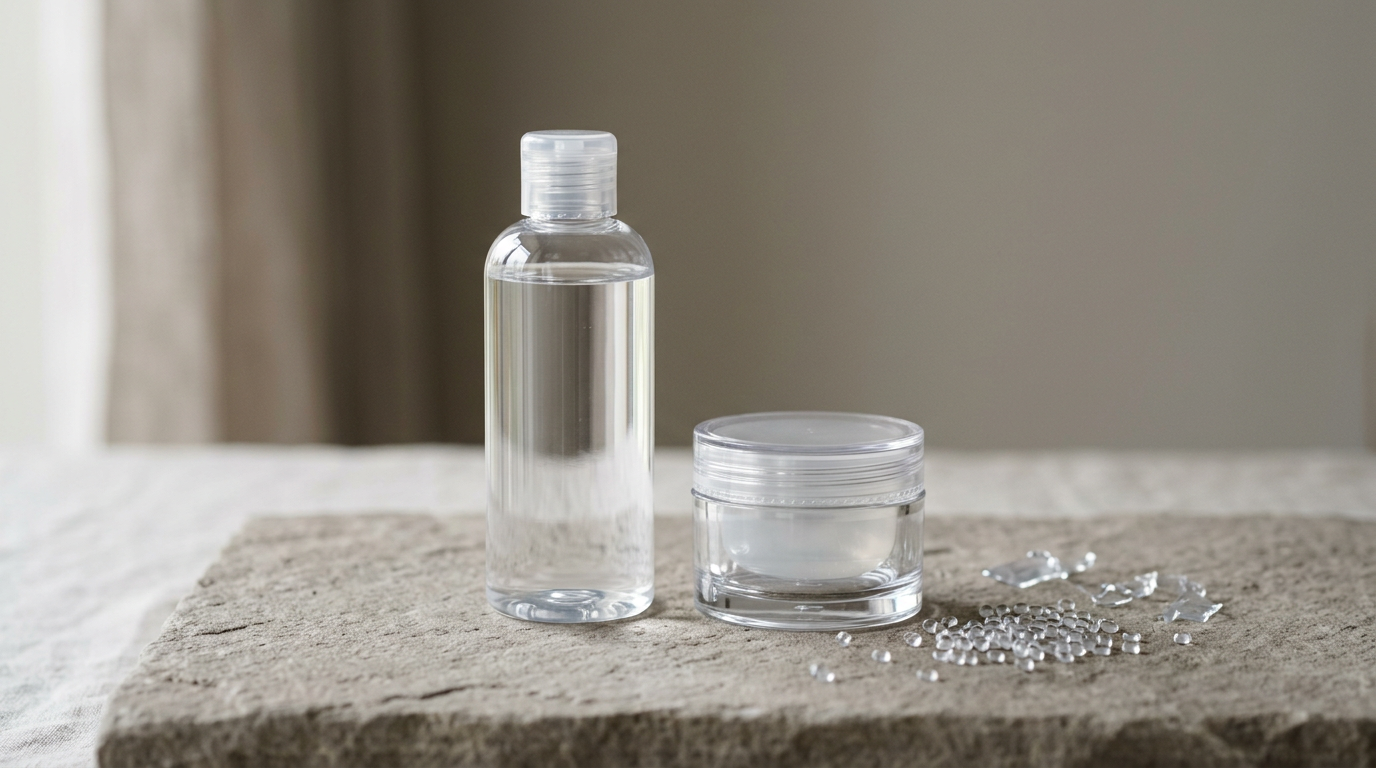
Plastic packaging may take several hundred years to degrade in nature - but even after all these years, plastic doesn't completely disappear. Instead, it turns into tiny pieces of microplastics that can end up in our drinking water.
Biodegradable plastics do not degrade in nature either. Although you might think so, since it is called biodegradable plastic, this is not the case. Biodegradable plastics only break down under the right circumstances at composting plants, where the high temperatures and humidity are controlled.
These circumstances are not some that can occur in nature, and therefore the biodegradable plastic cannot be decomposed in nature.
When you recycle your packaging, the plastic is used optimally. In addition, it is a good idea to make sure that the plastic can be recycled afterwards, as it also saves the environment. This will prolong the consumption phase of your packaging, instead of allowing the plastic to go to waste and pollute.

Another large proportion of discarded plastic waste ends up in the ocean as ocean waste plastic. This type of plastic has serious consequences for the environment, people and wildlife.
Drinking water is contaminated and animals can confuse the plastic with food and eat it. This can result in animals suffocating or the plastic in their stomachs taking up too much space so that there is no room for the necessary amount of food needed by the animals.
The microplastics that end up in the stomachs of animals such as fish can subsequently end up in the stomachs of us humans if we eat the fish.
To succeed in a circular economy, it is important that both the producer and the consumer make an effort and start thinking about what actually should and can happen to materials, products and packaging once we have finished using it.
In our next post on end-of-life products, you can read more about the various measures that exist to make circular economy possible in the packaging industry. You can read more about Ocean waste plastic or other types of plastics at our post or Bærdygtigemballage.dk
Do you have any questions for us?
Please do not hesitate to contact us immediately. Contact us here
We have a lot of different products and packaging.
Explore our product catalogue. Go to product catalog
You are always welcome to contact us. Whether it is sparring, a concrete inquiry or ideas for cooperation and development, we are happy to engage in dialogue and look at the possibilities together.





.avif)
.avif)
.avif)